
GSTP1 – Strengthening Your Inner Detox Network
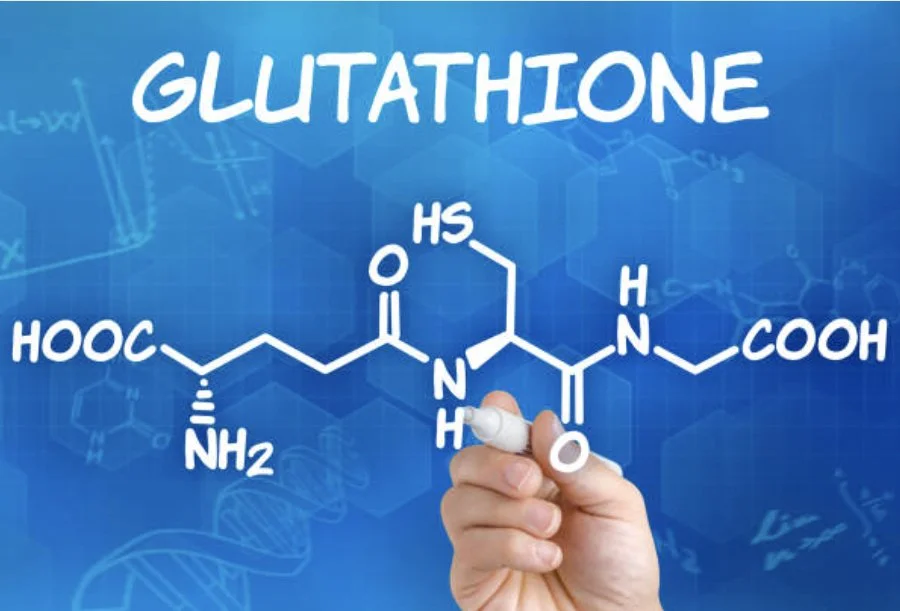
If you have been told you have a double polymorphism in the GSTP1 gene, you may be wondering what this means and how it affects your health. This blog will help you understand it in simple terms and give you practical ways to support your body every day.
What Is GSTP1
GSTP1 is one of the genes involved in your body’s detoxification system. Think of detoxification as your body’s natural cleaning process. Every day, your body is exposed to chemicals, hormones, pollutants, and waste products. Your detox systems help to safely process and remove these substances.
GSTP1 specifically helps your body neutralise toxins by attaching them to glutathione, one of your most important antioxidant molecules.
This process makes toxins safer so they can be removed through your liver, bile, urine, or stool.
What Does A Double Polymorphism Mean
A polymorphism simply means a small variation in a gene. A double polymorphism means you have two variations in the GSTP1 gene, which can reduce how efficiently this detox pathway works.
This does NOT mean your detox system is broken.
It simply means your body may need more support to do its job effectively, especially when you are under stress or exposed to higher toxin loads.
Possible Signs Your Body May Need Support
When GSTP1 is not working optimally, some people may notice:
Feeling more sensitive to chemicals, smells, or medications
Slower recovery from illness or stress
Increased inflammation in the body
Brain fog or low energy
Skin reactions or sensitivities
These signs are not specific and can have many causes, but they can indicate that your detox pathways may be under strain.
Key Ways To Support GSTP1 Function
The goal is not to “fix” your genes, but to support the systems around them so your body can function more smoothly.
1. Support glutathione production
Since GSTP1 relies on glutathione, supporting its production is essential.
You can do this by:
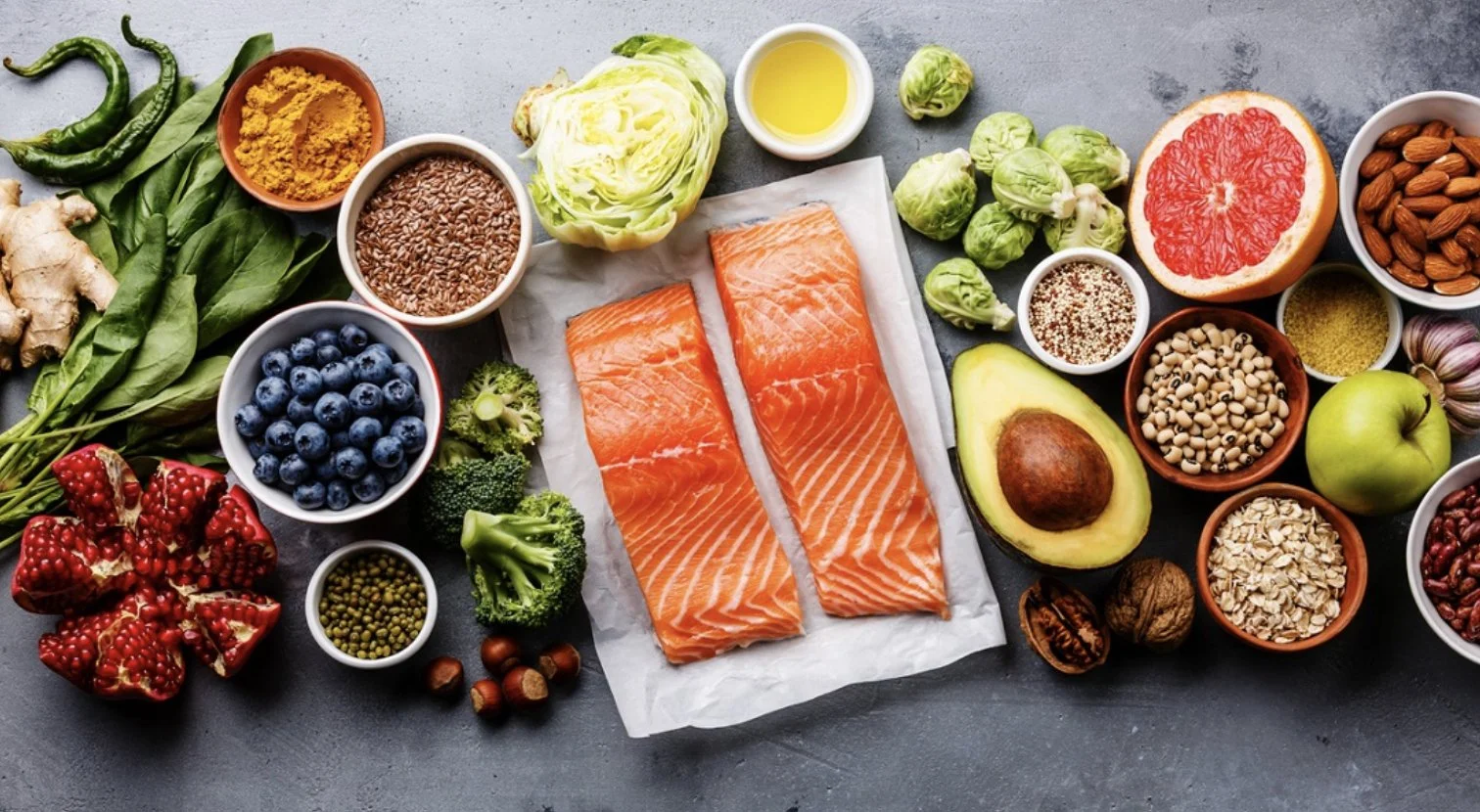
Eating sulfur-rich foods like broccoli, cauliflower, garlic, onions, and eggs
Ensuring adequate protein intake for amino acids like cysteine
Including foods rich in vitamin C (kiwifruit, citrus, capsicum)
2. Reduce toxic load where possible
Your body copes better when it is not overwhelmed.
Simple ways to reduce exposure:
Choose natural cleaning and personal care products
Filter drinking water if possible
Reduce processed foods and additives
Support indoor air quality with fresh air and plants
3. Support methylation and nutrient pathways
Detoxification relies on many interconnected nutrient systems. Supporting these helps reduce strain on GSTP1.
Key nutrients include:
B vitamins (especially B2, B6, B12, and folate)
Magnesium
Zinc and selenium
The important role of Vitamin B2 (riboflavin)
Vitamin B2 is especially important for recycling glutathione. It helps convert glutathione back into its active form so it can continue to neutralise toxins in the body.
Without enough B2, glutathione can become less effective, meaning your antioxidant and detox capacity may be reduced.
You can support B2 intake through foods such as:
Eggs
Almonds
Mushrooms
Lean meats
Leafy green vegetables
Selenium as a key co-factor
Selenium is a critical mineral that works alongside glutathione-related enzymes. It helps activate glutathione peroxidase, one of the body’s main antioxidant defence enzymes. This means selenium supports your body in reducing oxidative stress and protecting cells from damage.
Selenium rich foods include:
Brazil nuts (very high source, only 1–2 nuts can meet daily needs)
Seafood (such as tuna, sardines, and prawns)
Eggs
Sunflower seeds
Mushrooms (depending on soil content)
Liposomal glutathione support
In some cases, supplementing directly with liposomal glutathione can provide additional support. This form is more easily absorbed and may help directly bind and neutralise toxic compounds in the body. It can be a useful short-term or targeted support option when detox demands are higher.
It is important to work with a qualified practitioner for personalised guidance, as dosing and suitability can vary depending on individual health status and detox capacity.
4. Strengthen Antioxidant Defences
Oxidative stress can increase when detox pathways are slower.
Helpful practices include:
Eating a rainbow of colourful fruits and vegetables
Using herbs and spices like turmeric and ginger
Prioritising sleep for repair and recovery
Gentle movement like walking, yoga, or stretching
5. Support Liver, Lymphatic Flow, And Detox Pathways
Your liver and lymphatic system are key elimination pathways.
You can support them by:
Staying well hydrated
Dry skin brushing or gentle massage
Regular movement throughout the day
Deep breathing to support lymph flow in the chest
Sauna therapy to support sweating and elimination of toxins
Epsom salt baths to support magnesium levels, relax the nervous system, and gently assist the body’s detoxification processes through the skin
6. Support Gut Detoxification With Fibre Rich (Prebiotic) Foods
Fibre plays a powerful role in detoxification through the gut. It helps bind and carry toxins, hormones, and xenobiotics out of the body through bowel movements. Prebiotic fibres also feed beneficial gut bacteria, which further supports detox pathways and overall metabolic health.
When gut bacteria are well nourished, they help reduce the toxic load on the liver and improve overall elimination efficiency.
However, if conditions like SIBO are present, increasing fibre too quickly can worsen symptoms such as bloating or discomfort. In this case, it is important to work with a practitioner before making significant dietary changes.
Fibre rich and prebiotic foods include:
Onions
Garlic
Leeks
Asparagus
Apples
Oats
Chia seeds
Flaxseeds
Legumes (lentils, chickpeas, beans)
Resistant starch foods such as cooked and cooled potatoes or rice, and green bananas
Lifestyle Matters More Than Genetics
It is important to remember that genes are not your destiny. They are simply blueprints that show your tendencies.
Your lifestyle, diet, environment, and stress levels all influence how your genes are expressed. This means you have a great deal of control over how your body functions day to day.
If you have a GSTP1 double polymorphism, your body may benefit from extra support in detoxification and antioxidant protection. The key is not to overwhelm yourself with perfection, but to gently layer in supportive habits over time.
Small, consistent changes can make a big difference in how you feel, your energy levels, and your resilience.
Your body is always working for you, your role is simply to give it the right conditions to do its job well.