
Supporting Your eNOS Gene for Better Heart Health
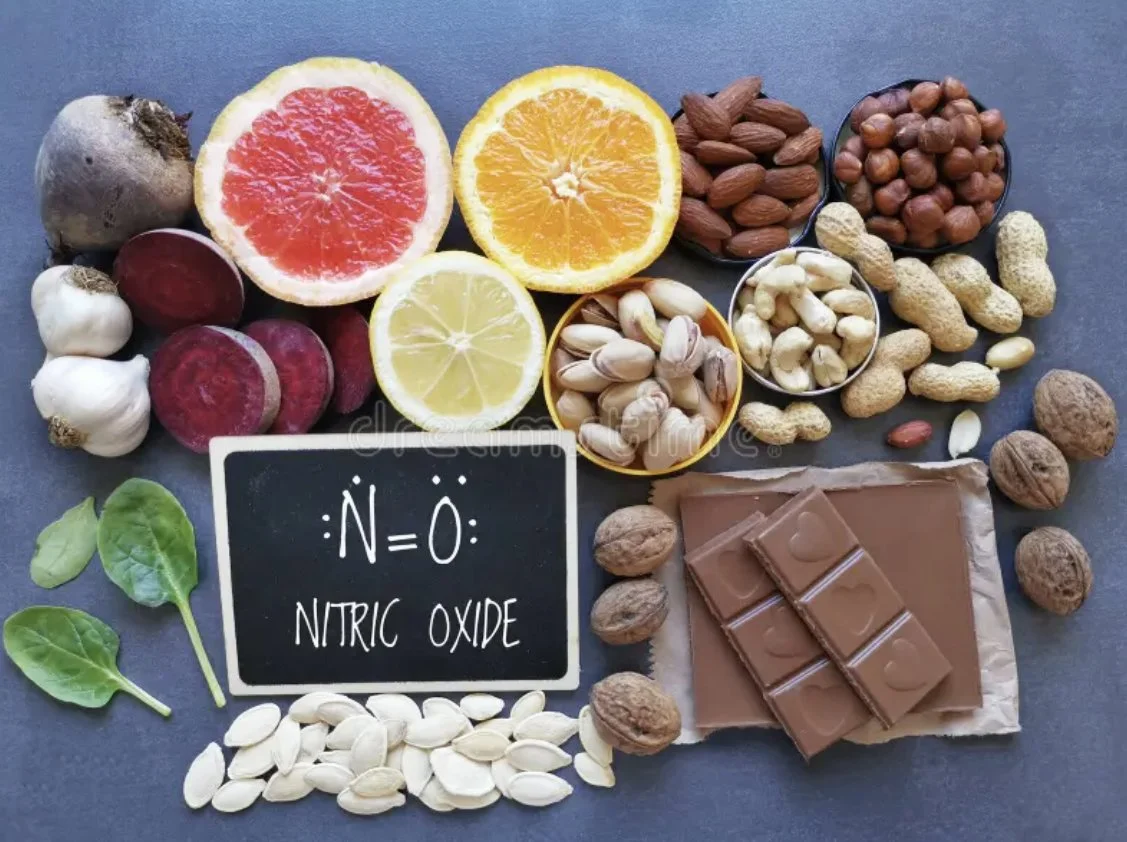
The eNOS gene (endothelial nitric oxide synthase) plays a key role in producing nitric oxide in your blood vessels. If you have a polymorphism (genetic variation) in this gene, your body may not make nitric oxide as efficiently, which can place extra stress on your cardiovascular system. The good news is that your daily habits can strongly support this pathway.
Key Blood Vessel and Immune Support
Nitric oxide is not just important for your blood vessels, it also plays a crucial role in your immune system. Adequate nitric oxide levels help your immune cells respond effectively to infections and support healthy inflammation levels in the body. When nitric oxide production is impaired, it can reduce the efficiency of your immune response and contribute to chronic inflammation. Maintaining good nitric oxide levels, therefore, supports both cardiovascular health and a resilient immune system, helping your body defend itself while keeping tissues nourished and functioning optimally.
Nitric oxide also helps relax blood vessels, improving circulation and delivering oxygen and nutrients to tissues throughout the body. This dual role, supporting both the heart and the immune system, makes maintaining healthy nitric oxide levels a cornerstone of overall wellness.
1. Avoid Mouthwash: Protect Your Nitric Oxide Pathway
Antibacterial mouthwash can kill the beneficial oral bacteria that convert nitrates from your food into nitric oxide. Without these microbes, even a nitrate-rich diet may not produce enough NO.
Tip: Use gentle, non-antibacterial oral care products, and avoid mouthwash unless specifically recommended by your practitioner.
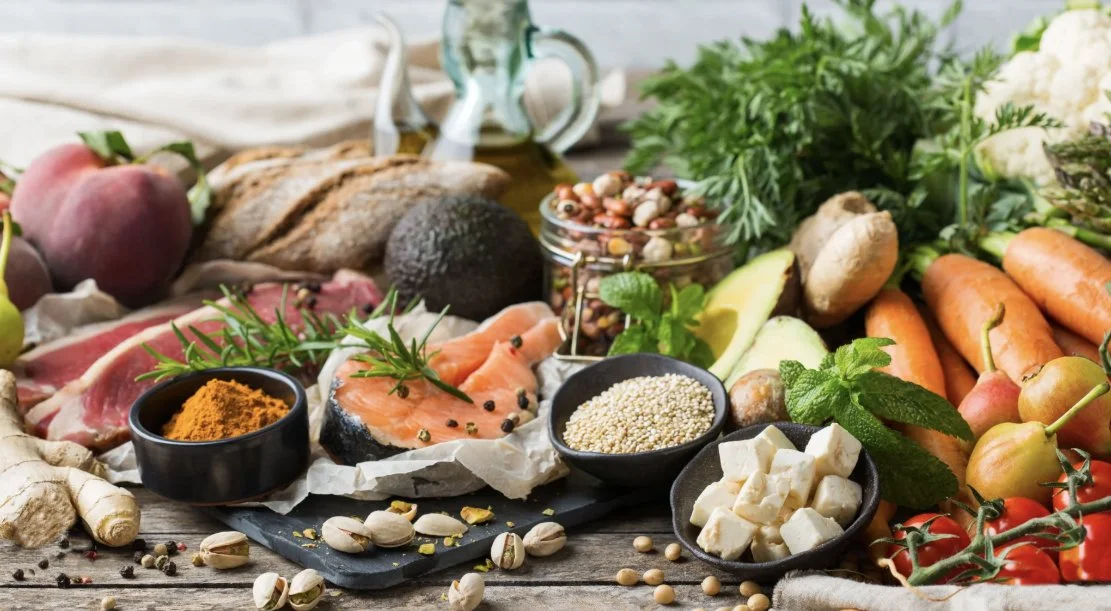
2. Eat Nitrate Rich Vegetables
Your body converts natural plant nitrates into nitric oxide. The best sources include:
Beetroot (fresh, juiced, or roasted)
Rocket (arugula)
Spinach
Lettuce
Celery
Swiss chard
Bok choy
Cabbage
Important: Some of these foods, like spinach and beetroot, are high in oxalates. If you eat high-oxalate foods daily and have kidney issues, a history of kidney stones, or are oxalate sensitive, please check with your practitioner first.
3. Cacao and Spirulina: Nature’s Nitric Oxide Boosters
Certain superfoods have been shown in research to directly support the eNOS gene and nitric oxide production:
Cacao – rich in flavanols that activate the eNOS enzyme and stimulate nitric oxide release, improving circulation and vascular health. Add organic cacao to smoothies or baking. Note: Cacao is high in oxalates, so check with your practitioner if consuming it daily.
Spirulina – a nutrient-dense algae that enhances nitric oxide synthesis and supports blood vessel function. Supplementing with organic spirulina can help maintain healthy circulation.
Both work by stimulating the eNOS pathway, helping your body make more nitric oxide naturally, which relaxes blood vessels and improves blood flow.

4. Support Nitric Oxide with Key Nutrients
Certain vitamins and minerals also help nitric oxide production and keep the eNOS enzyme functioning well:
Vitamin C – stabilises nitric oxide and protects it from being broken down.
Vitamin E and Selenium – antioxidants that protect the eNOS enzyme and blood vessels from oxidative stress.
Magnesium – helps blood vessels relax and improves circulation.
CoQ10 – supports endothelial function and energy production in cells.
L-arginine and L-citrulline – natural amino acids that fuel nitric oxide production.
Foods rich in these nutrients include citrus fruits, nuts, seeds, avocado, pumpkin seeds, salmon, dark leafy greens, Brazil nuts (for selenium), and other nutrient dense whole foods like grass-finished beef and lamb.
5. Move Your Body Daily
Exercise is one of the most powerful ways to activate eNOS. When you move, your blood vessels expand, triggering nitric oxide release naturally.
Great options include:
Walking
Cycling
Jogging or interval walking
Strength training
Yoga or Pilates
Even 20–30 minutes a day can make a meaningful difference in nitric oxide production and overall cardiovascular health.
6. Prioritise Healthy Lifestyle Habits
Your daily routines either support or stress the eNOS pathway. Helpful habits include:
Deep breathing and stress reduction – chronic stress reduces nitric oxide
Good sleep – restores endothelial function
Sunlight exposure – UV light can stimulate nitric oxide release from the skin
Staying hydrated – keeps blood flowing smoothly
Avoiding smoking/vaping – these directly damage nitric oxide production
In Summary
Having a polymorphism on your eNOS gene doesn’t mean you can’t support nitric oxide production. By avoiding antibacterial mouthwash, eating nitrate rich vegetables, including superfoods like cacao and spirulina, and supporting your body with key nutrients, exercise, and healthy lifestyle habits, you can help your body produce the nitric oxide it needs for strong circulation, healthy tissues, and long term cardiovascular wellbeing.
If you’re unsure about foods high in oxalates, or have cardiovascular symptoms or fatigue, check with your practitioner for personalised guidance.